
Compliance in Managed Cybersecurity Services
Cybersecurity compliance is a critical part of any organization’s risk management program. It helps companies establish and implement controls to mitigate risks and ensure they meet industry standards. These standards often include regulations involving data protection and privacy. Keeping up with these standards can help protect organizations from fines and reputational damage.
A comprehensive approach to managed cybersecurity services compliance involves a risk analysis process that evaluates an organization’s existing security policies, procedures, and controls. This assessment can also identify gaps and areas for improvement. It’s important to perform regular assessments to keep up with the ever-changing threats landscape and to maintain a strong defensive posture.
In addition to assessing an organization’s current state of compliance, a good managed cybersecurity service provider will work with clients to develop an action plan for achieving and maintaining compliance. This will involve identifying key risk tolerance parameters, documenting processes and procedures, and conducting regular monitoring and testing. It’s also important to stay up-to-date with the latest cybersecurity threats and vulnerabilities, and to provide ongoing education for employees.
Managed security services providers can also assist with establishing and documenting policies, procedures, and controls to support compliance efforts. This can be a difficult task for internal teams, which is why many businesses turn to MSSPs to help them achieve and maintain compliance. A good MSSP will have knowledge of regulatory frameworks and requirements across the globe, and will be able to offer guidance and support for local compliance initiatives.
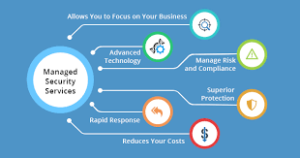
The Importance of Compliance in Managed Cybersecurity Services
Another way an MSSP can help with compliance is through threat intelligence and reporting. They can help businesses monitor their network and endpoints for vulnerabilities, detect suspicious activity, and respond quickly to security incidents. This can help reduce the time and cost of a data breach and other security incidents.
A managed cybersecurity services provider can also offer access to cutting-edge technologies and advanced tools that are typically only available to larger enterprises. This can help protect a business from an array of threats without the significant capital investment that may be required to build in-house capabilities. In addition, a good MSSP will have security facilities and command centers that can offer real-time monitoring and detection of malicious activities.
Whether it’s to comply with government-mandated regulations or protect the safety and privacy of highly-regulated customer data, cybersecurity compliance is a necessary component of any business. It’s an essential safeguard against the costs of data breaches, which can include fines, legal action, and lost customer trust. In addition, it can provide a sense of confidence for customers and stakeholders that a company takes its security seriously.
For most businesses, navigating the complexity of compliance is best left to an expert partner. With the right expertise, an MSP can help reduce the burden on internal IT teams and allow them to focus on core business innovations. This can improve productivity and help to drive business growth while still protecting sensitive information and meeting regulatory requirements.