impact of AI regulations on an exchange for AI agents
As artificial intelligence (AI) continues to transform industries and everyday life, the introduction of regulations surrounding its use has become a critical concern. These regulations are designed to ensure that AI technologies are developed and deployed in ways that are ethical, secure, and transparent. For platforms that facilitate the buying, selling, and leasing of AI models, such as an exchange for AI agents, these regulations play a pivotal role in shaping the marketplace. The impact of AI regulations on an exchange for AI agents can be far-reaching, affecting everything from the types of models available to the operational practices of developers and businesses using the platform.
One of the most immediate impacts of AI regulations on an exchange for AI agents is the need for compliance. Developers and businesses that wish to list their AI models on the exchange must ensure that their agents adhere to the legal and ethical standards set forth by regulatory bodies. These standards might address issues such as data privacy, algorithmic transparency, fairness, and the prevention of biases in AI decision-making. For example, regulations may require that AI models be explainable, meaning that users should be able to understand how the model makes decisions, especially when the model’s decisions could have significant consequences for individuals or society. Compliance with these regulations can be time-consuming and costly for developers, but it is necessary for maintaining trust in the exchange and ensuring that the platform remains legally viable.
Regulatory frameworks may also influence the types of AI agents that are allowed to be sold or leased on an exchange. AI models that operate in sensitive sectors, such as healthcare, finance, or criminal justice, may be subject to more stringent regulations. These regulations could dictate that certain models undergo rigorous testing and certification before they are allowed to be listed. In these cases, exchanges for AI agents may implement additional vetting processes to ensure that models comply with industry-specific standards. AI agents that cannot meet these regulations may be restricted from entering the marketplace, which could limit the diversity of AI models available to businesses and developers.
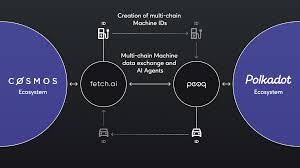
What is the impact of AI regulations on an exchange for AI agents?
Furthermore, regulations can impact the ongoing monitoring and auditing of AI agents. Many AI regulations require that models be regularly evaluated to ensure they continue to function ethically and effectively over time. This means that exchanges for AI agents may need to implement systems for tracking the performance of AI models after they have been deployed. In the case of AI models that make decisions based on evolving data, such as in financial trading or medical diagnostics, continuous auditing is essential to ensure that they do not perpetuate harmful biases or make erroneous predictions. The regulatory requirement for such audits may lead to the development of new tools and services on the exchange to help both developers and users monitor and maintain their AI models.
On the flip side, AI regulations could also foster trust and adoption of AI technologies in the marketplace. Clear regulations help to reduce the uncertainty surrounding the use of AI, especially in sectors where ethical considerations are paramount. By adhering to regulatory standards, exchanges for AI agents can provide businesses with the assurance that the AI models they purchase or lease are safe, reliable, and trustworthy. This can encourage wider adoption of AI technologies, as companies will be more confident in implementing AI solutions that comply with the law and ethical best practices.
In conclusion, AI regulations have a profound impact on an exchange for AI agents by shaping the types of models available, ensuring compliance with legal and ethical standards, and promoting the ongoing monitoring and auditing of AI systems. While these regulations can increase the cost and complexity of operating within the marketplace, they also help to build trust and confidence in AI technologies, ensuring that these innovations benefit society as a whole. As the regulatory landscape continues to evolve, exchanges for AI agents will need to adapt to meet new requirements, thereby creating a more secure and responsible environment for the development and deployment of AI solutions.