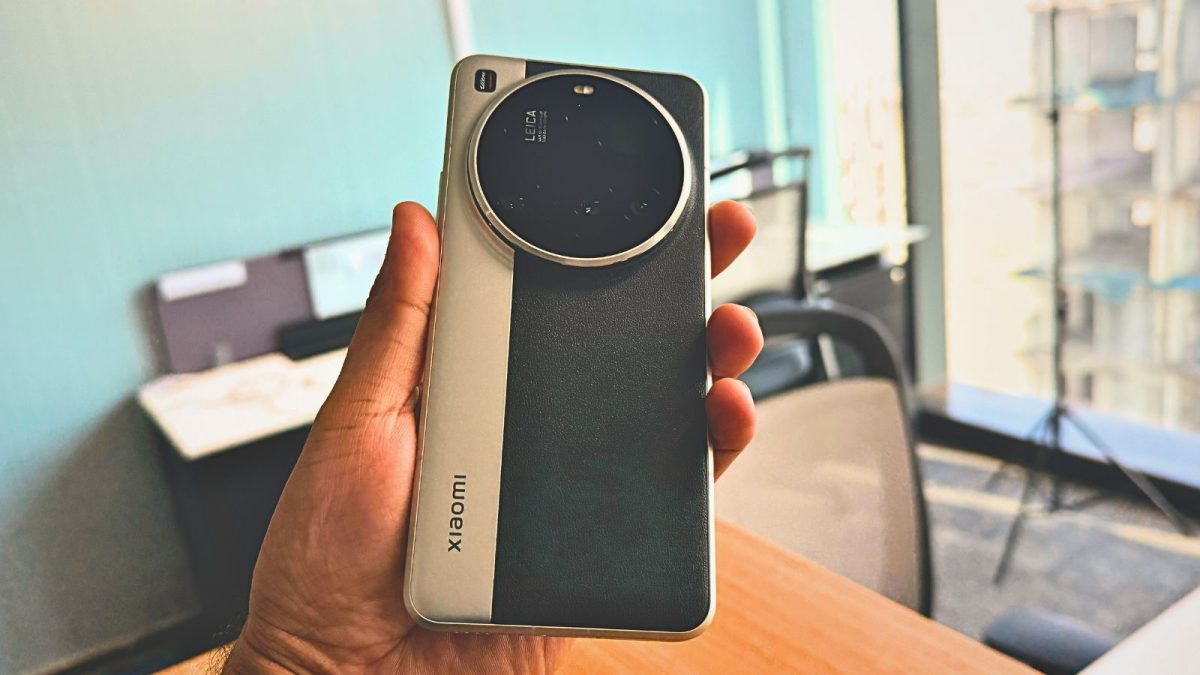
PCBA Circuit Boards Are Used in Consumer Electronics
A pcba circuit board is an integral component of electronic equipment, and it helps the equipment perform different functions. It acts as a platform for electrical connections and provides a way to control the device’s power, light, sound, and other functions. The pcba circuit board is also responsible for ensuring that the device is functional and safe. Printed circuit boards are essential to modern technology and can be found in a variety of commercial, professional, and household products.
The PCBA assembly process has a number of benefits over traditional wiring, including faster and more flexible manufacturing. PCBAs also offer increased safety, as they reduce the chance of shorting, electrical fires, and other problems. These factors make them an attractive choice for electronics manufacturers. The process is complex and involves many steps, but it can be streamlined with the help of advanced technology.
PCB fabrication is an important step in the assembly process and requires a high level of precision and attention to detail. It involves transcribing digital designs onto physical structures through a series of carefully orchestrated steps. The first step is to transfer the circuit image onto a blank PCB using either laser direct imaging or traditional photo tooling. Laser direct imaging offers greater accuracy and precision than photo tooling, resulting in more reliable circuit patterns.
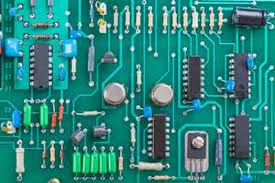
How PCBA Circuit Boards Are Used in Consumer Electronics
Once the circuit pattern is transferred, the next step is to solder the components. The soldering process uses molten solder to connect the components to the circuit board. The solder is then inspected to ensure that it is high-quality and free of defects.
Another important step in the PCBA assembly process is to test the finished product. This testing includes functional circuit testing, which focuses on ensuring that the entire product works as intended and grades it on a pass/fail basis. It also includes a process called boundary scan testing, which enables engineers to test wire lines on a PCBA that would be difficult or impossible to reach with in-circuit or fixtureless testing.
The PCBA assembly process involves a lot of different steps, but it can be simplified by working with an experienced PCBA manufacturer. The right PCBA supplier will be able to produce boards that meet your design requirements and budget. You should also be sure to select a manufacturer that is open and upfront about costs, technology, and design. Choosing the wrong partner could result in higher production costs, delays, or even missed deadlines.