traceability in printed circuit board and assembly
Ensuring traceability in printed circuit board (PCB) and assembly processes is essential for maintaining quality control, meeting regulatory requirements, and facilitating product recalls or troubleshooting efforts. Traceability refers to the ability to track and trace the flow of materials, components, and processes throughout the manufacturing lifecycle, from procurement to assembly to distribution. By implementing robust traceability systems and practices, manufacturers can enhance transparency, accountability, and efficiency in PCB and assembly operations.
One of the key elements of traceability in printed circuit board and assembly is the use of unique identifiers or serial numbers to label and identify individual components, assemblies, and finished products. Each component, PCB, and assembly can be assigned a unique identifier that is recorded and tracked throughout the manufacturing process. This allows manufacturers to trace the origin of each component, monitor its usage in production, and track its location within the supply chain.
Moreover, documenting and maintaining comprehensive records of materials, components, and processes are essential for ensuring traceability in PCB and assembly. This includes recording information such as supplier details, material specifications, manufacturing parameters, test results, and inspection data. By maintaining accurate and detailed records, manufacturers can easily trace the history and lineage of each component and assembly, enabling quick identification of any issues or discrepancies that may arise.
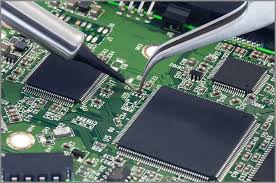
How do you ensure traceability in printed circuit board and assembly?
Implementing a robust quality management system (QMS) is another critical aspect of ensuring traceability in PCB and assembly processes. A QMS encompasses a set of policies, procedures, and practices designed to ensure that products meet quality standards and regulatory requirements. By establishing clear processes for documenting, monitoring, and controlling all aspects of PCB and assembly operations, manufacturers can ensure consistency, reliability, and traceability throughout the manufacturing lifecycle.
Utilizing barcode and RFID (Radio Frequency Identification) technology is a powerful tool for enhancing traceability in PCB and assembly processes. Barcode labels or RFID tags can be attached to components, PCBs, and assemblies to provide real-time tracking and identification capabilities. Scanning these labels or tags at various checkpoints in the manufacturing process allows manufacturers to capture data on material usage, production status, and product location, enabling seamless traceability and visibility across the supply chain.
Furthermore, implementing electronic data interchange (EDI) systems and integration with enterprise resource planning (ERP) software can streamline data collection, sharing, and analysis in PCB and assembly operations. EDI enables automated exchange of data between different systems and stakeholders, facilitating real-time visibility and traceability of materials, components, and processes. Integration with ERP systems provides a centralized platform for managing and analyzing data, enabling manufacturers to gain insights into production performance, quality trends, and compliance metrics.
In addition to internal traceability measures, collaboration with suppliers and partners is crucial for ensuring end-to-end traceability in PCB and assembly processes. Establishing clear communication channels and sharing relevant information with suppliers allows manufacturers to track the origin and quality of materials and components used in production. By working closely with suppliers to implement traceability measures and quality control protocols, manufacturers can mitigate risks and ensure the integrity of their supply chain.
In conclusion, ensuring traceability in printed circuit board and assembly processes is essential for maintaining quality, compliance, and efficiency in manufacturing operations. By implementing robust traceability systems and practices, manufacturers can track and trace the flow of materials, components, and processes throughout the manufacturing lifecycle, enabling transparency, accountability, and responsiveness in the event of issues or discrepancies. From unique identifiers and comprehensive record-keeping to advanced technology and collaboration with suppliers, traceability measures play a critical role in safeguarding the integrity and reliability of PCB and assembly operations.