printed circuit boards manufacturers ensure quality control
Quality control is an essential aspect of the manufacturing process for printed circuit boards (PCBs), as these components are vital to the performance and reliability of electronic devices. Printed circuit boards manufacturers implement various strategies to ensure that each PCB meets stringent quality standards, ensuring both the functionality and durability of the final product. Quality control is not a one-time process but a continuous effort throughout the PCB manufacturing lifecycle, from design to assembly.
One of the first steps in ensuring quality control begins with the design phase. Printed circuit boards manufacturers typically work closely with clients during the design process to ensure that the PCB design is optimized for performance and manufacturability. Design for manufacturability (DFM) is a crucial aspect where manufacturers use specialized software tools to detect potential design flaws that could affect the performance or manufacturability of the PCB. By ensuring that the design meets industry standards and is optimized for production, manufacturers reduce the likelihood of errors later in the process, thereby enhancing overall quality.
In addition to the design phase, printed circuit boards manufacturers also ensure quality control during the PCB fabrication stage. Fabrication involves the precise etching of copper traces on the PCB, drilling holes, and applying protective coatings. To ensure high-quality results, manufacturers use state-of-the-art machinery that operates with great precision. This equipment allows for tight tolerances, which are essential for ensuring that the board functions as intended. Moreover, advanced automated inspection systems are often employed during the fabrication process to detect any defects, such as copper trace errors, misplaced holes, or inconsistent copper thickness. This allows manufacturers to address issues before proceeding to the next stage of production, preventing defects from carrying over into the final product.
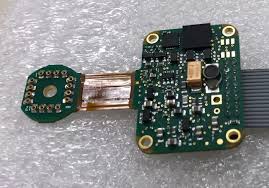
How do printed circuit boards manufacturers ensure quality control?
After fabrication, printed circuit boards manufacturers implement additional quality control measures during the assembly process. Assembly involves placing and soldering electronic components onto the PCB. During this stage, automated optical inspection (AOI) systems are commonly used to examine each component placement and solder joint. These systems use high-resolution cameras and advanced image processing algorithms to identify misaligned components or poor solder joints that could lead to performance issues. AOI systems are often supplemented with X-ray inspection for more complex boards with hidden solder joints, ensuring that every connection is properly made and functional.
Another critical aspect of quality control is functional testing, which is conducted after the assembly process. Printed circuit boards manufacturers typically perform electrical tests to verify that each board operates as expected. These tests may include checking for continuity, verifying signal integrity, and ensuring that all components are correctly powered. In addition, manufacturers perform stress testing, such as thermal cycling or vibration testing, to simulate real-world conditions and ensure that the PCBs can withstand environmental factors over time.
To maintain high levels of quality throughout the manufacturing process, printed circuit boards manufacturers often adhere to internationally recognized standards such as ISO 9001 or IPC-A-600. These standards provide guidelines for maintaining quality in all stages of production and ensure that manufacturers meet or exceed customer expectations. Compliance with these standards requires manufacturers to implement robust documentation and traceability practices, allowing them to track each PCB’s production history and identify any potential quality issues.
In conclusion, printed circuit boards manufacturers ensure quality control through a combination of careful design practices, advanced manufacturing techniques, and rigorous testing procedures. By focusing on every stage of the production process—design, fabrication, assembly, and testing—manufacturers can deliver high-quality PCBs that meet the specific needs of their clients. This commitment to quality control not only ensures the reliability of the final product but also builds trust between manufacturers and their customers, contributing to the long-term success of the business.