printed circuit board
The question of whether a printed circuit board assembly (PCBA) manufacturer can bend without damage hinges on the materials, design, and manufacturing processes employed. Traditionally, rigid PCBs have been the norm, offering stability and reliability but lacking flexibility. However, advancements in technology and materials have given rise to flexible PCBs, also known as flex circuits, that can bend and conform to various shapes without sustaining damage.
Flexible PCBs are typically made from flexible substrates such as polyimide or polyester, which offer mechanical flexibility while maintaining electrical conductivity. These substrates are engineered to withstand bending, twisting, and flexing without compromising the integrity of the circuitry or components mounted on them. By leveraging flexible substrates, PCBA manufacturers can produce assemblies that can bend and conform to the contours of the devices they are integrated into, enabling innovative designs and enhanced functionality.
One of the key factors determining whether a printed circuit board assembly manufacturer can bend without damage is the design of the flexible circuit. Careful consideration must be given to the layout, routing, and arrangement of components to ensure that they can withstand the mechanical stresses associated with bending. Components must be strategically placed and secured to prevent damage or detachment during flexing, while traces and conductive elements must be designed to accommodate bending without breaking or causing electrical discontinuities.
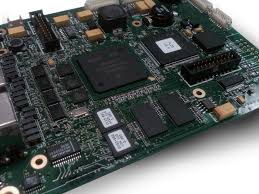
Can printed circuit board assembly manufacturer bend without damage?
Moreover, PCBA manufacturers employ specialized assembly processes and techniques to ensure that flexible circuits can bend without damage. These processes may include precision soldering, adhesive bonding, and encapsulation to secure components and reinforce critical areas of the flexible circuit. Additionally, manufacturers may employ techniques such as laser drilling or mechanical scoring to create bendable regions or hinge points in the flexible substrate, allowing for controlled bending without compromising electrical performance.
Furthermore, PCBA manufacturers conduct rigorous testing and validation procedures to assess the mechanical and electrical integrity of flexible circuits under various bending conditions. Mechanical stress testing, such as dynamic flex testing or bend cycling, is performed to evaluate the durability and fatigue resistance of flexible circuits over time. Electrical testing is also conducted to ensure that bending does not affect the electrical conductivity or performance of the circuitry.
Despite the inherent flexibility of flexible PCBs, there are limitations to how much they can bend without sustaining damage. Excessive bending or flexing beyond the design limits of the flexible circuit can lead to mechanical failure, delamination of substrate layers, or damage to components and traces. Therefore, PCBA manufacturers must establish clear guidelines and specifications for the maximum allowable bend radius, bend angle, and number of bend cycles to prevent damage during use.
In conclusion, printed circuit board assembly manufacturers can produce flexible circuits that can bend without damage, provided that the appropriate materials, design, and manufacturing processes are employed. Flexible PCBs offer unique advantages in terms of design flexibility, space savings, and enhanced durability, making them ideal for a wide range of applications in industries such as consumer electronics, automotive, medical devices, and aerospace. By leveraging the capabilities of flexible PCBs, PCBA manufacturers can meet the evolving needs of their customers and drive innovation in the electronics industry.