Ceramic PCBs Fare in Terms of Signal Integrity
Ceramic PCBs are known for their impressive set of physical and electrical properties, including high thermal conductivity, low dielectric constant, dimensional stability, and chemical corrosion resistance. These qualities make them ideal for applications in a range of industries including electronics, automotive, aerospace, and defense.
One of the primary advantages of ceramic pcb board is their ability to handle high-speed digital signals, even at higher frequencies. They also offer excellent mechanical strength and durability, making them less prone to degradation and damage over time. In addition to these benefits, ceramic PCBs have a lower Young’s modulus than other substrate materials, which allows them to withstand high automatic weight loads and vibrations.
Moreover, ceramic boards can endure extreme temperatures and are hermetic, which makes them an excellent choice for use in harsh environments. Consequently, they are ideal for power electronic modules, motor drives, LED lighting, and RF/microwave communication circuits. Moreover, they are also suitable for applications in sectors that require a lot of high-speed data and electrical signal transmissions, such as the medical and aerospace industries.
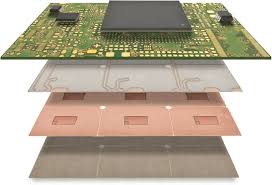
How Do Ceramic PCBs Fare in Terms of Signal Integrity?
The main reason more and more companies are turning to ceramic PCBs is that they have an edge over traditional substrates in terms of their superior thermal conductivity. In fact, the material is more than twice as conductive as FR4, allowing it to eliminate hotspots in PCBs and prevent electronic components from overheating. Besides, the boards also feature improved CTE matching and hermetic sealing, which further enhances their durability and reliability.
When choosing a manufacturer for your ceramic PCB, be sure to select one that offers comprehensive design support services. The team should help you optimize your layout for thermal management and signal integrity. They should also assist you with sourcing the best-suited ceramic materials for your specific application. Look for a company that values clear and timely communication and provides exceptional customer support throughout the manufacturing process.
To ensure that your ceramic pcb board has high-quality signal performance, make sure to route your signals through the most direct path possible. This will minimize the chances of signal loss or interference due to crosstalk, which can affect the performance of high-speed circuits. Moreover, you should always use controlled routing techniques to match the impedance of your signal lines with the PCB’s substrate impedance.
In addition to these critical factors, you should also consider the manufacturing capabilities of the company. Check whether they provide a variety of manufacturing options, including thin-film, direct-write, and HDI technologies. Additionally, evaluate their pricing structure and manufacturing lead times to determine if they can meet your specific production needs. Lastly, ask for references or read reviews to get an idea of the company’s performance and reputation. Finally, choose a company that is committed to providing quality products and services while minimizing costs. In the long run, this will help you avoid costly mistakes and get the most out of your ceramic PCBs.